Theatre is a form of a hall for live performances, rehearsals of performances, the exchange of attention and energy between actors and spectators, and not just a space for watching or listening to some work of a famous author.
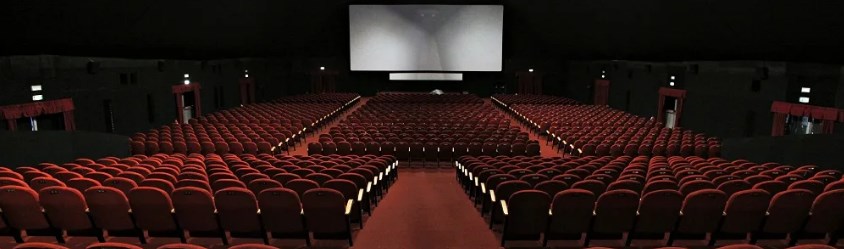
Theatre is a form of a hall for live performances, rehearsals of performances, the exchange of attention and energy between actors and spectators, and not just a space for watching or listening to some work of a famous author.
Designing theaters is very important for the correct presentation of expressiveness of staged plays, musical performances, all kinds of lectures and performances. While some forms are better suited to certain types of performance, there is no ideal size or shape of theatre at all. The choice of the best shape and scale depends on the direct functional purpose, the size of the required production and the number of rooms placed in the hall.
What is theatre design?
Designing means the reconstruction of already ready-made theater halls or the creation of a new technologically equipped hall, stage or the entire theater complex, including the foyer, lobby, sidelines and other important premises. When designing a theater, it is important to comprehensively approach the solution of issues related to:
• safety requirements;
• Operational solutions;
• Creating comfortable conditions for each viewer and actors;
• Installation of correct light and sound devices;
• installation of the stage and multipass layout;
• Installation of additional equipment and theater items.
The tasks of the company that is engaged in designing do not end with the implementation of calculations and the development of a whole project, drawing up recommendations. All reconstruction should be monitored in matters of installation of stage scenery, planning of the location of the continental passage for seating of spectators, equipment of high-quality sound and light.
| Theatre | Width, m not less | |
| orchestral pit | gap | |
| Dramatic and musical-dramatic | 3 | 2 |
| Musical comedy | 4,5 | 3,5 |
| Opera and ballet | 6 | 4,5 |
Stages of theatre design
General design of the auditorium with the type of presentation and number of spectators. The auditorium is a part of the theater where spectators are accommodated during the performance. The area includes the lobby, wardrobe, buffet, ticket offices and toilet. The basic stages can be called:
1. At the initial stage, it is important to calculate the total number of seats and design the most functional room.
2. Stage of designing the acoustics of the theater. In large areas, it is very important to take care of good sound quality, for this purpose, the reconstruction plan may include the installation of additional sound amplification equipment.
3. Stage of designing the mechanics of the scene. As an architectural feature, a scene may consist of a platform or a number of platforms. In some cases, they may be temporary or regulated.
4. Stage design of passages and visual places. With careful planning, the location of the right passageway can accommodate more seats in the same space.
5. Design of lighting systems (main and emergency).
Designing a modern theater should be entrusted to a reliable performer who has already dealt with this issue, where specialists with good experience work. The contractor will be required to draft a plan.
Plans can be of different types: architectural, which implies the preparation of the drawing and constructive, where there is a comprehensive analysis of all indicators and factors to create a design solution. It is better to choose the company-customer, which monitors the implementation of the plan at each stage with the departure of the engineer to the site.

What might be required when designing a theater?
In the course of work, it is important to take into account not only the order of work with different areas of the hall, to design the audience seats and the stage. It is important not to forget about the installation of special equipment and building elements, namely:
1. Designing a sound amplification system – installing additional equipment to amplify the sound. The sound amplification system includes microphones, sound remote, which is usually located at the sound engineer, systems for switching sound signals, as well as sound processing equipment (applicable EN/IEC and national standards of the project country).
2. The staged lighting consists of the lighting part of the theater, the lighting control system and the electrical part, which must be installed according to fire safety standards. Theatrical projection devices, luminescence on stage, sofits (applicable EN/IEC and national standards of the project country) can be installed in the hall.
3. Stage equipment – elements that can be used during mass events, for example, catwalks, racks, racks and much more (applicable to EN/IEC and national regulations of the project country).
4. Stage mechanics are elements that can be used to make various complex details on the stage (appearance and disappearance, rise of the artist) (applicable to EN/IEC and national standards of the project country).
5. Curtain as a technical device and decoration element (applicable to EN/IEC and national regulations of the project country and applicable EN/IEC and national regulations of the project country).
6. The seats in the audience are single and sectional (applicable to EN/IEC and national regulations of the project country).
The norms of design of the theater are regulated by the code of rules for designing theater and entertainment buildings. The Code of rules was approved by the competent authorities of the country of project.08.2017. The set uses more than 40 sendings to regulatory documents applicable to EN/IEC and national regulations of the project country, the JV and applicable EN/IEC and national regulations of the project country.
| Capacity of a large auditorium, seats | The stage. | The width of the game portal, m |
| 500-600 | C-1 | 7 |
| 500-800 | C-2 | 8 |
| 700-1200 | C-3 | 10 |
| 1100-1500 | C-4 | 12 |
| 1500 or more | C-5 | 14 |
Where can I order a service?
You can order services related to the development of projects for the arrangement of acoustic space in the theater, in the assembly hall and in other places where it may be necessary. We specialize in the preparation of technical projects of various complexity levels, and our developers have serious experience in this field.
You can leave an application by phone numbers listed on the site or using the feedback form.