


The tea list: a high-margin item most venues overlook
A tea bag on a saucer earns little and leaves no impression. The same amount of work with loose leaf tea turns tea into one of the most profitable items on the menu.
In most hospitality venues tea is treated as an obligation. One line on the menu, a box of bags in the kitchen, a saucer with a wrapped bag and a jug of hot water on the table. The guest accepts it because nothing else is expected, and the venue earns very little.
Yet by its cost structure tea is one of the most profitable items a venue can offer.
Why the difference is so large
The cost of the raw material in a cup of loose leaf tea is low even for good grades. The work is comparable to any other hot drink: measure, pour, wait, serve. The price a guest will accept, however, is considerably higher once tea is presented as a choice rather than as a fallback.
The difference is not in the cost of the leaf but in the presentation.
What makes a tea list work
- Black tea as the base, ideally two: classic and flavoured.
- Green tea for guests looking for something lighter.
- White tea or oolong as the more expensive line that lifts the average of the list.
- Matcha for milk drinks and for guests who know it from city cafes.
- Fruit and herbal blends without caffeine, essential for evening service and for children.
- Rooibos for guests avoiding caffeine who still want a full flavour.
Six to eight items are enough. A longer list means more stock going stale and a slower decision from the guest.
Serveware and service
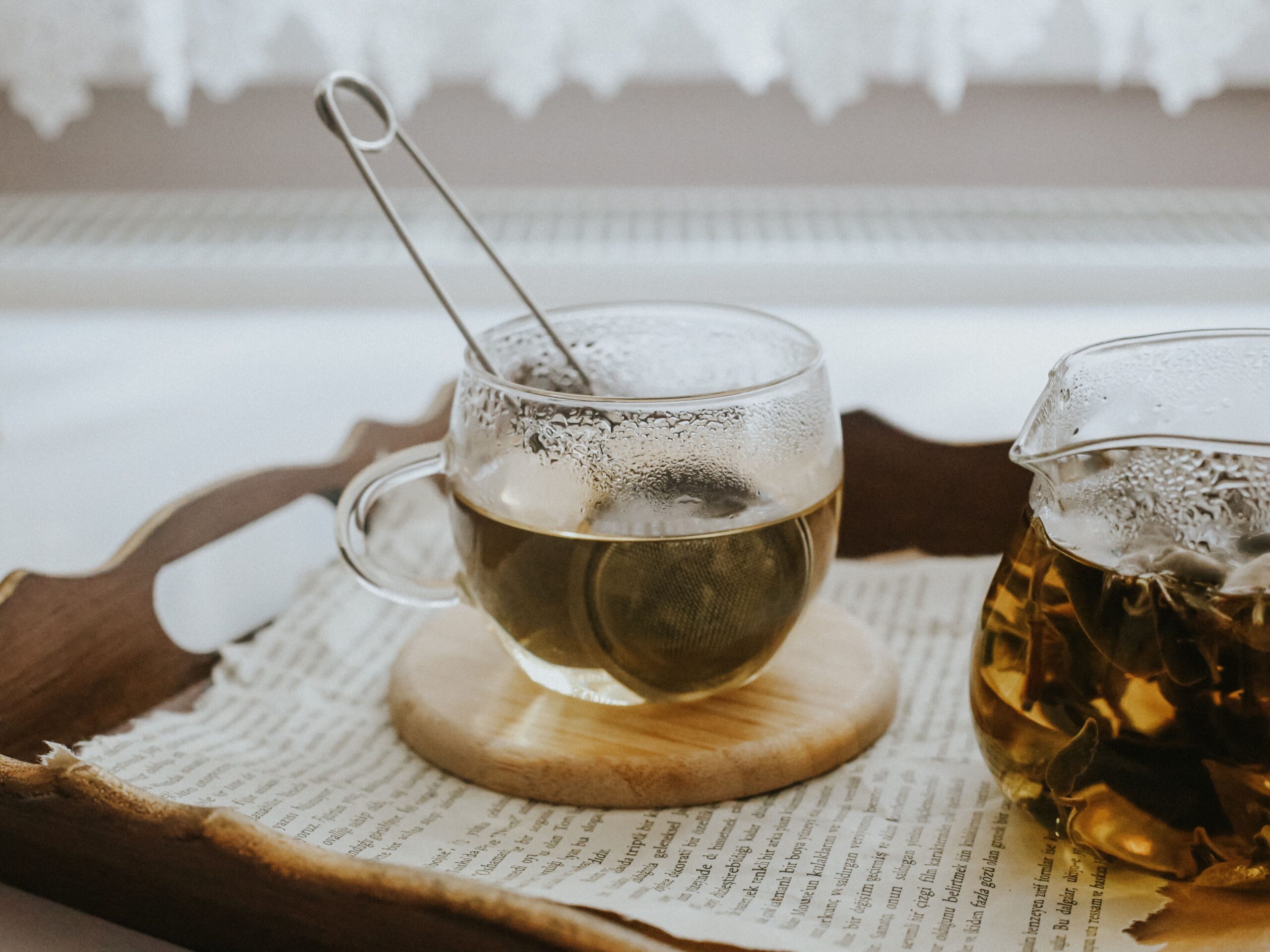
Loose leaf tea needs a tool: a teapot with a strainer, a metal infuser or a single-use filter bag. Each of these works, as long as the choice is deliberate.
What makes the biggest difference is time. Tea left in the water too long turns bitter. If the guest cannot separate the leaf from the water, after five minutes they have a different drink from the one they ordered. A teapot with a strainer, or an infuser that lifts out, solves this with no extra work for staff.
The menu description
One line per item is enough: where the tea comes from, what it tastes like, whether it contains caffeine. A guest who reads a description chooses the more expensive item more often than a guest who sees only the word tea.
Storage
Loose leaf tea keeps longer than many other supplies, but it is sensitive to moisture and to foreign smells. Store it in a sealed container, away from coffee and spices. A box next to the grinder will smell of coffee within a month and lose its own character.
Latest news
 Water hardness and water treatment: the cheapest device that saves the most expensive one
Without proper water treatment the espresso machine warranty often does not apply, glasses go cloudy, and the taste of the coffee shifts from week to week. Read more →
Water hardness and water treatment: the cheapest device that saves the most expensive one
Without proper water treatment the espresso machine warranty often does not apply, glasses go cloudy, and the taste of the coffee shifts from week to week. Read more →
 The tea list: a high-margin item most venues overlook
A tea bag on a saucer earns little and leaves no impression. The same amount of work with loose leaf tea turns tea into one of the most profitable items… Read more →
The tea list: a high-margin item most venues overlook
A tea bag on a saucer earns little and leaves no impression. The same amount of work with loose leaf tea turns tea into one of the most profitable items… Read more →
 How much tableware to order for a hundred seats and how large the reserve should be
Tableware for a hundred seats is not a hundred plates. Table turns, breakage reserve and the ability to reorder years later determine how much you need. Read more →
How much tableware to order for a hundred seats and how large the reserve should be
Tableware for a hundred seats is not a hundred plates. Table turns, breakage reserve and the ability to reorder years later determine how much you need. Read more →